Speakers
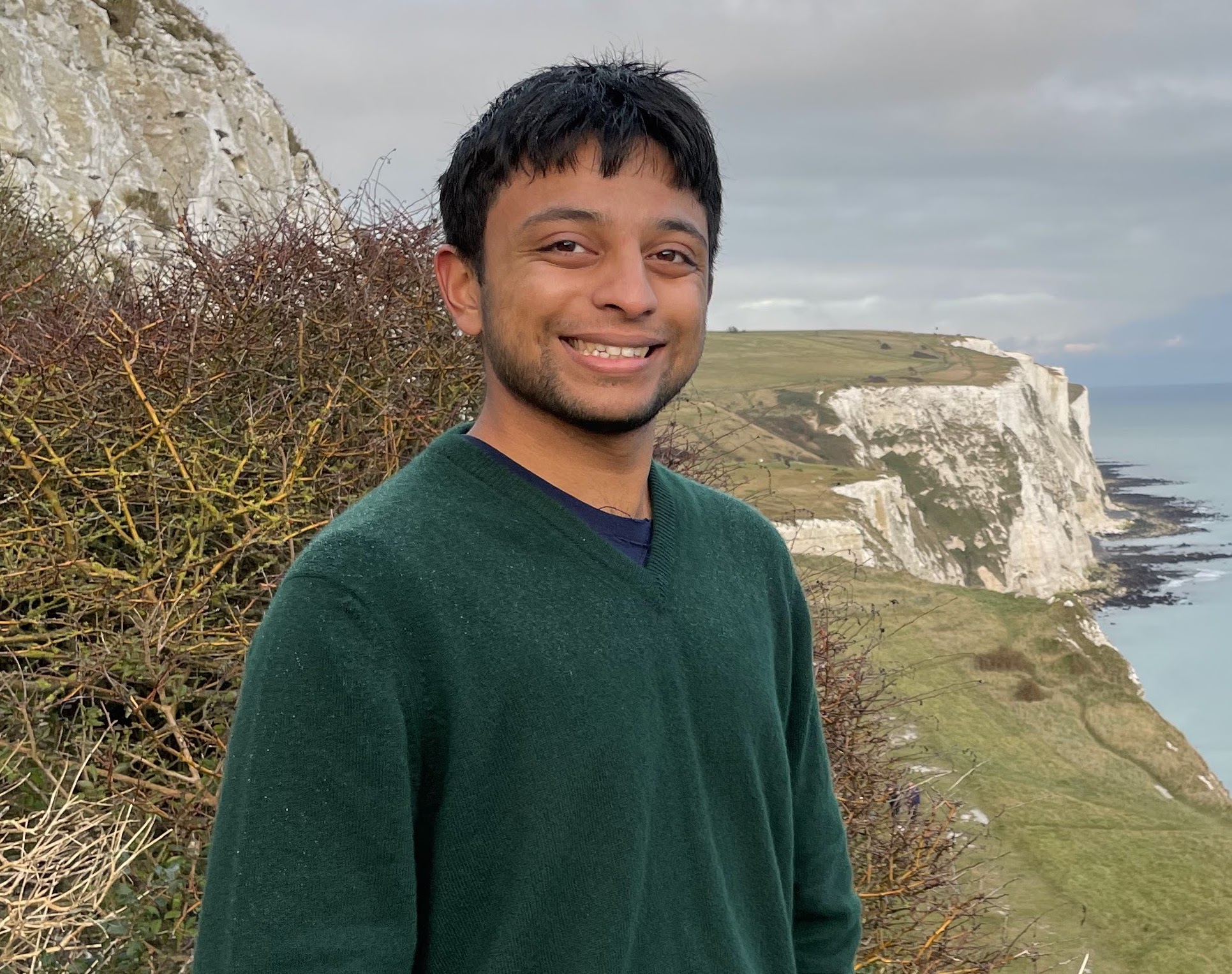
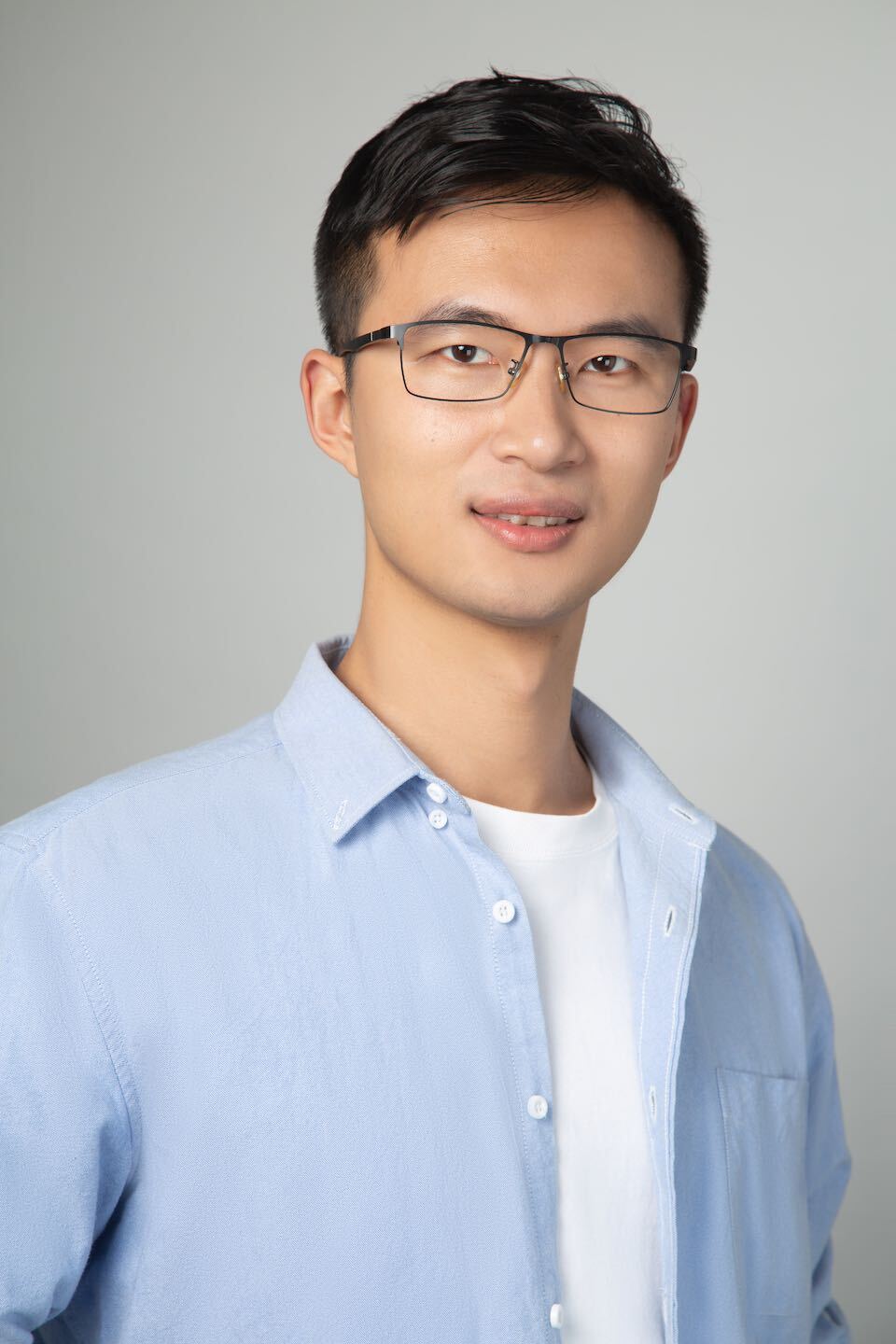
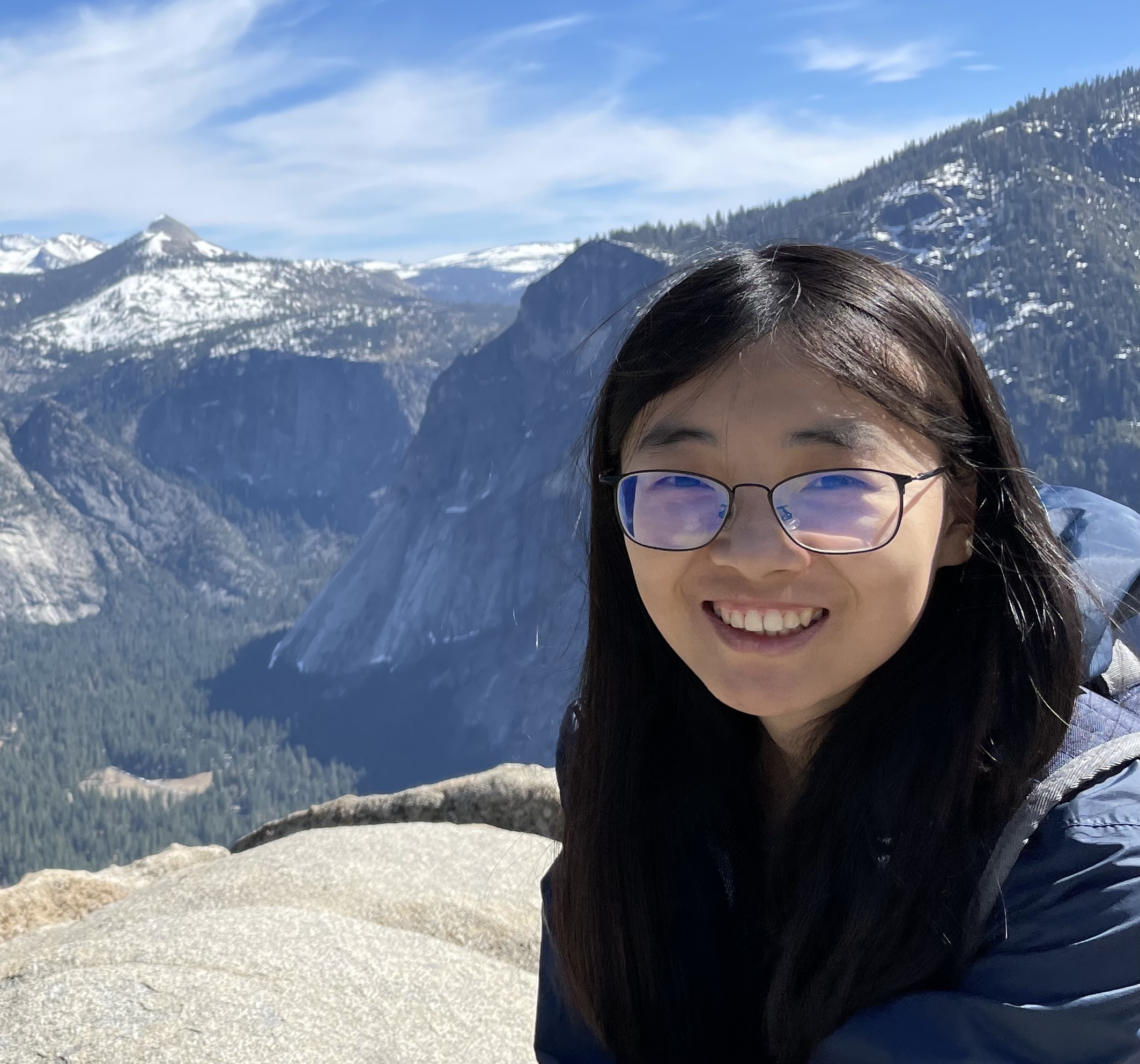
Ashwin Balakrishna is a Researcher at Physical Intelligence working on building scalable robot data collection and evaluation pipelines for large-scale robot learning. Previously, he was a Senior Research Scientist at Google Deepmind on the Gemini Robotics team where he worked on VLA post-training and improving instruction following capabilities. He did his PhD in Computer Science in the AUTOLAB at UC Berkeley and completed his bachelor's degree at Caltech in Electrical Engineering.
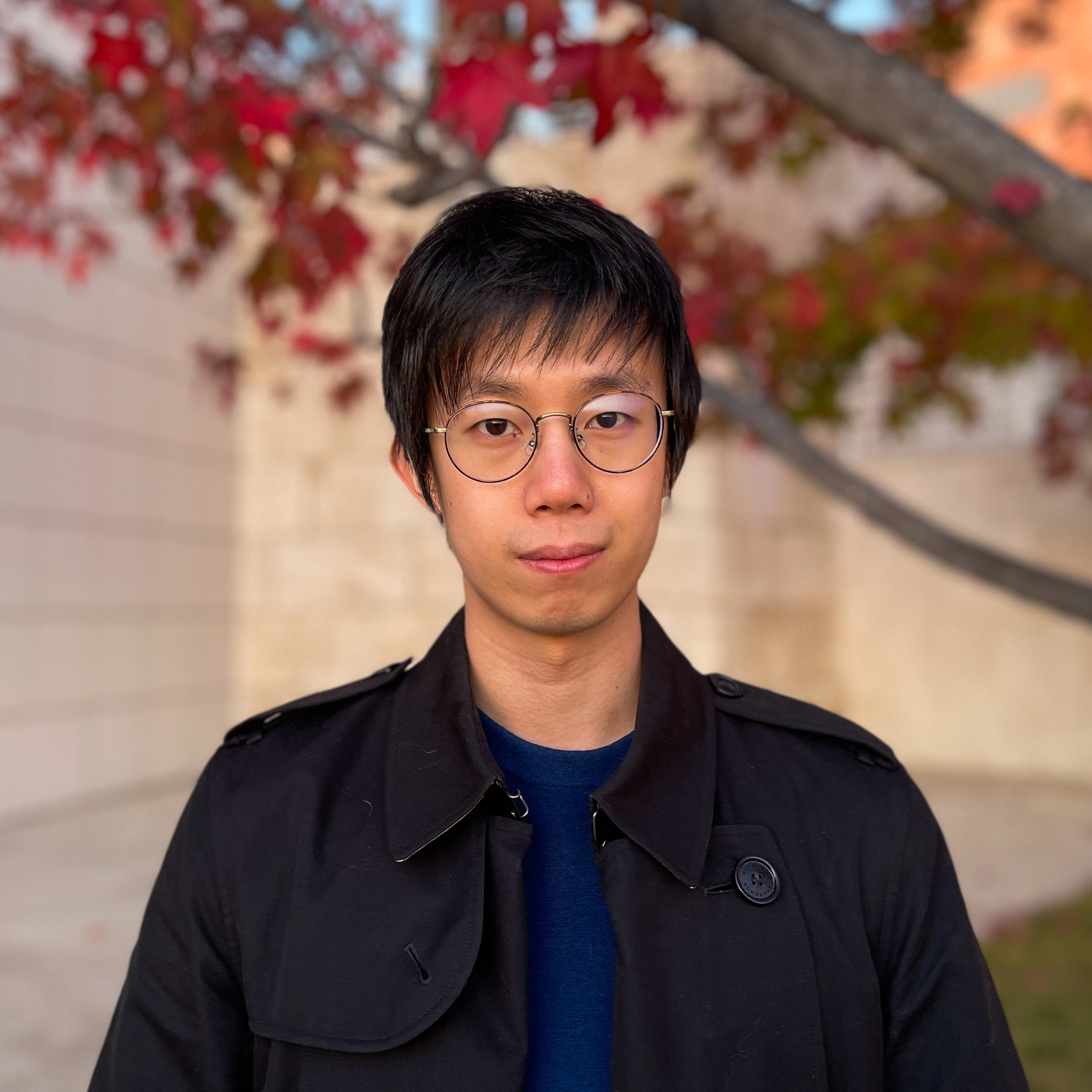
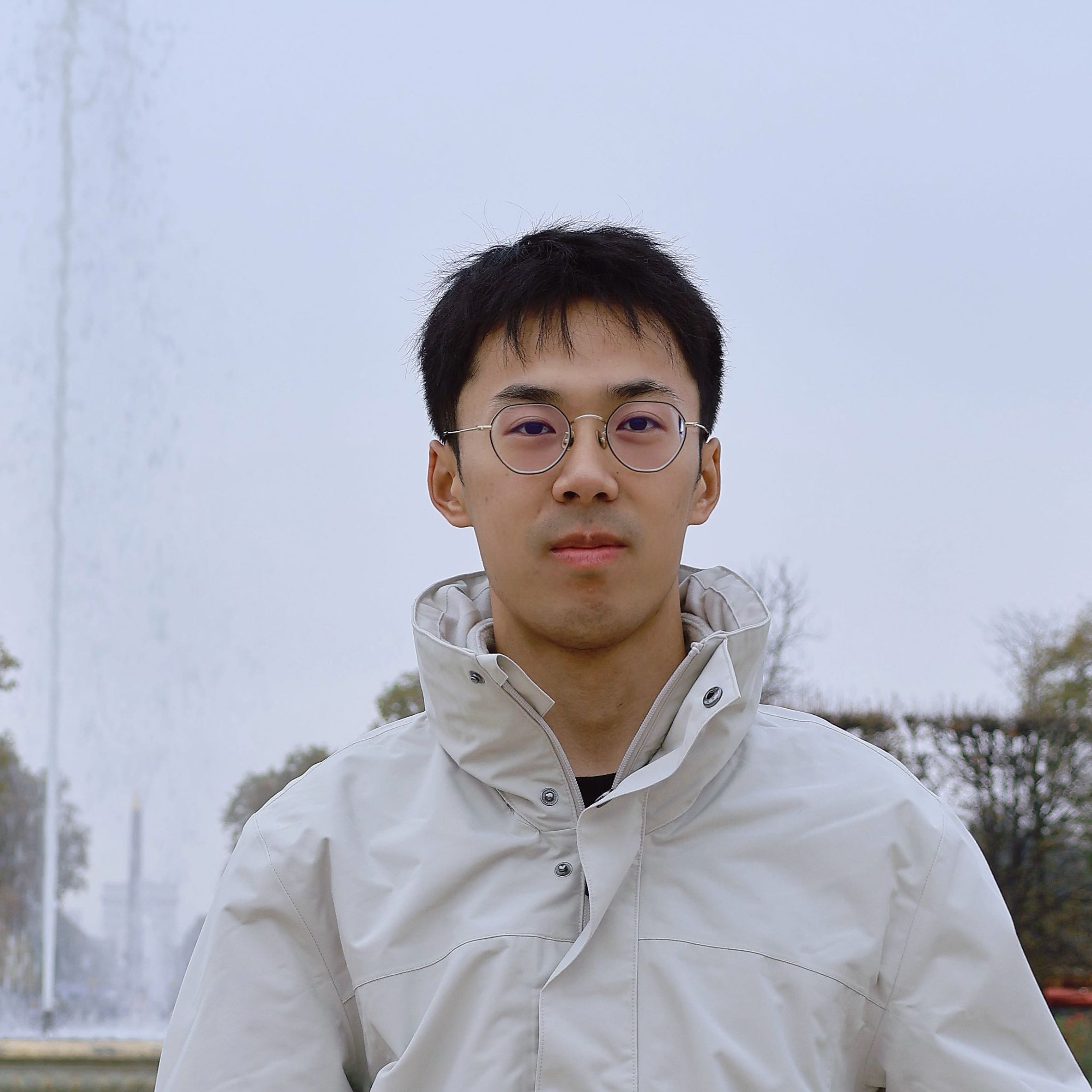
Haozhi Qi is a Member of Technical Staff at Amazon FAR and an incoming Assistant Professor at the University of Chicago. His research spans robotics and AI, with a particular focus on algorithms and systems for dexterous manipulation. He is a recipient of the Lotfi A. Zadeh Prize, was named an RSS Pioneer 2026, and received the EECS Evergreen Award for Excellence in Undergraduate Research Mentoring.
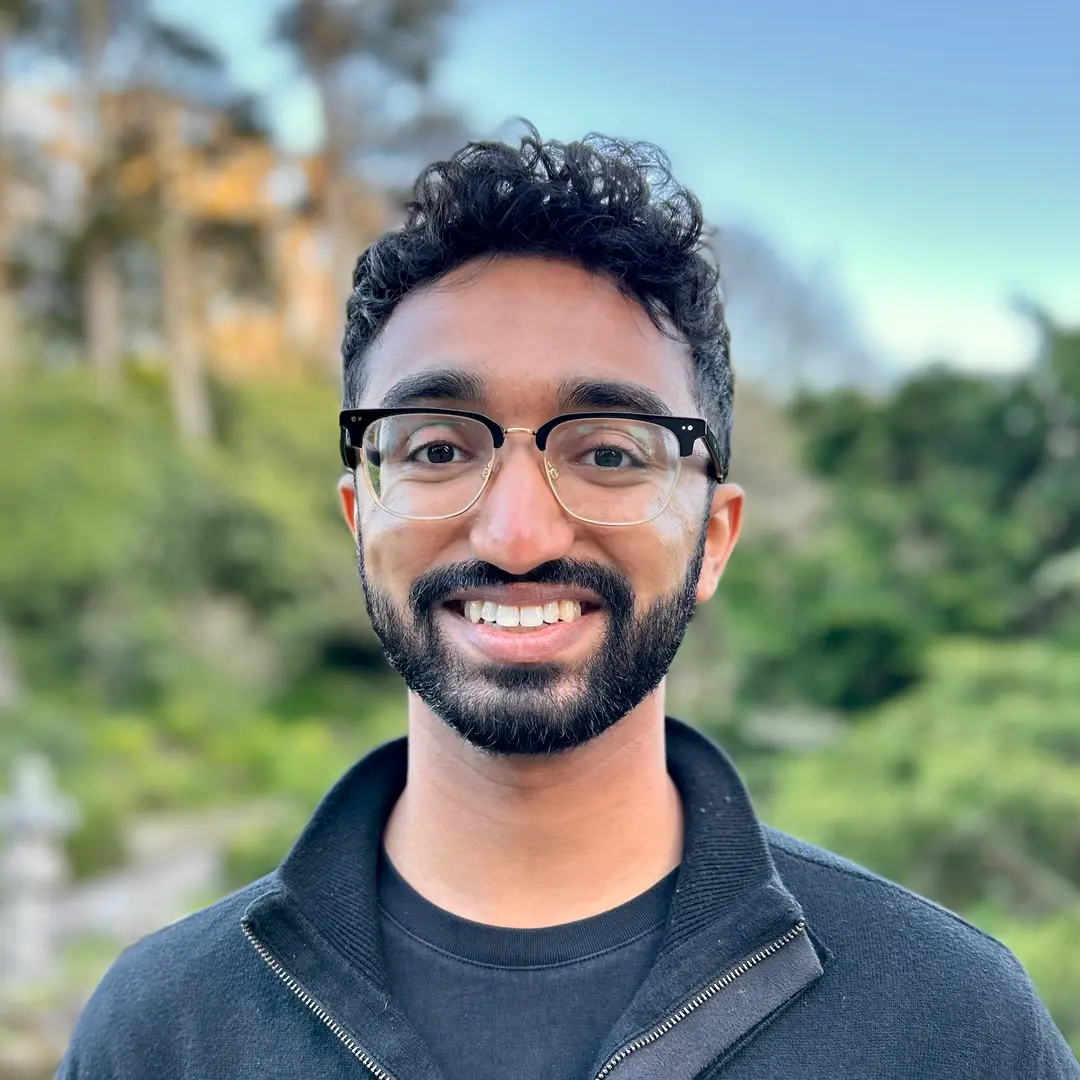
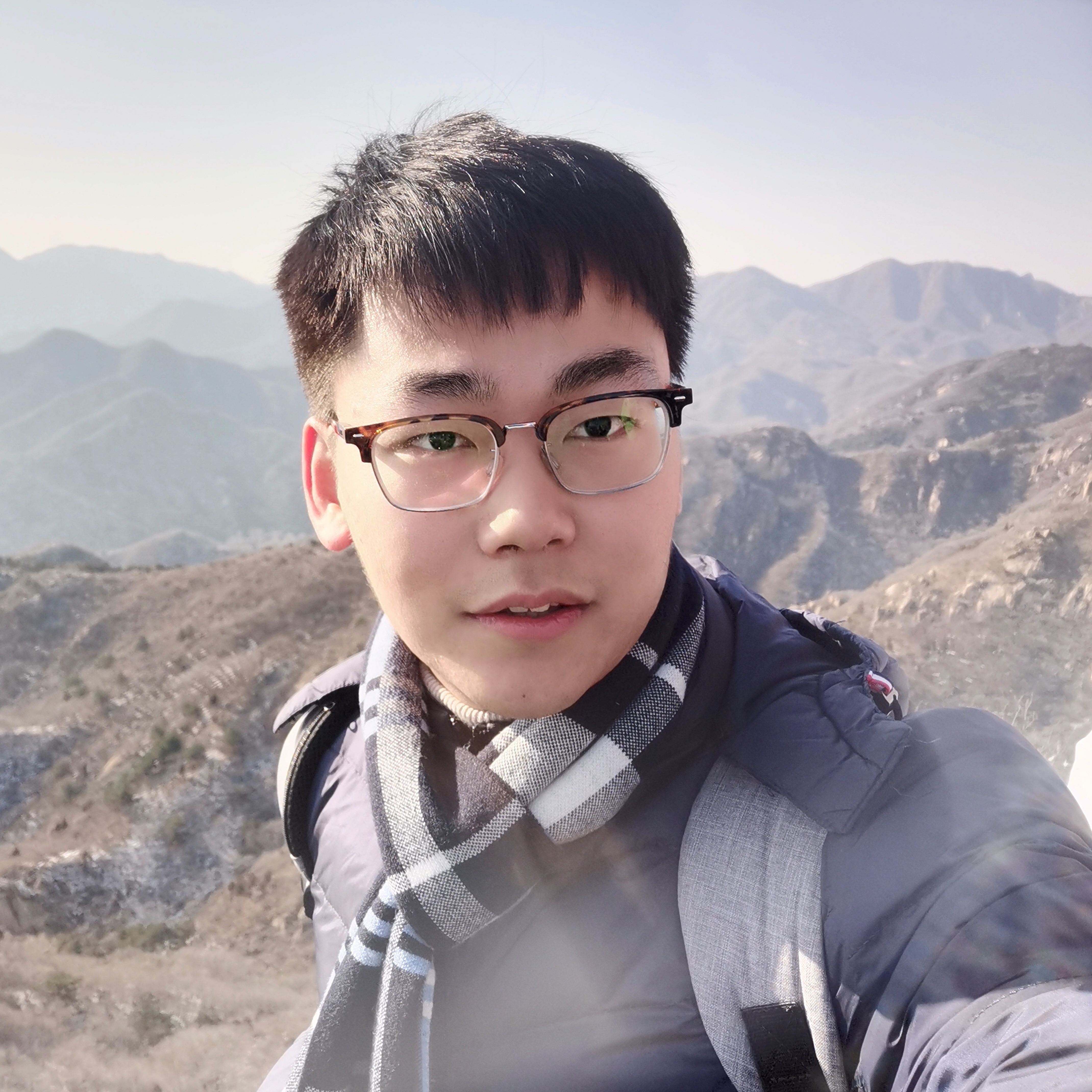
Simar Kareer is a PhD student at Georgia Tech advised by Danfei Xu and Judy Hoffman. His research focuses on scaling robot learning from egocentric human experience, including EgoMimic and EgoVerse. He previously led Human2Robot at Physical Intelligence and is currently interning with NVIDIA GEAR. His work has been featured in the Meta AI Blog and The Washington Post.
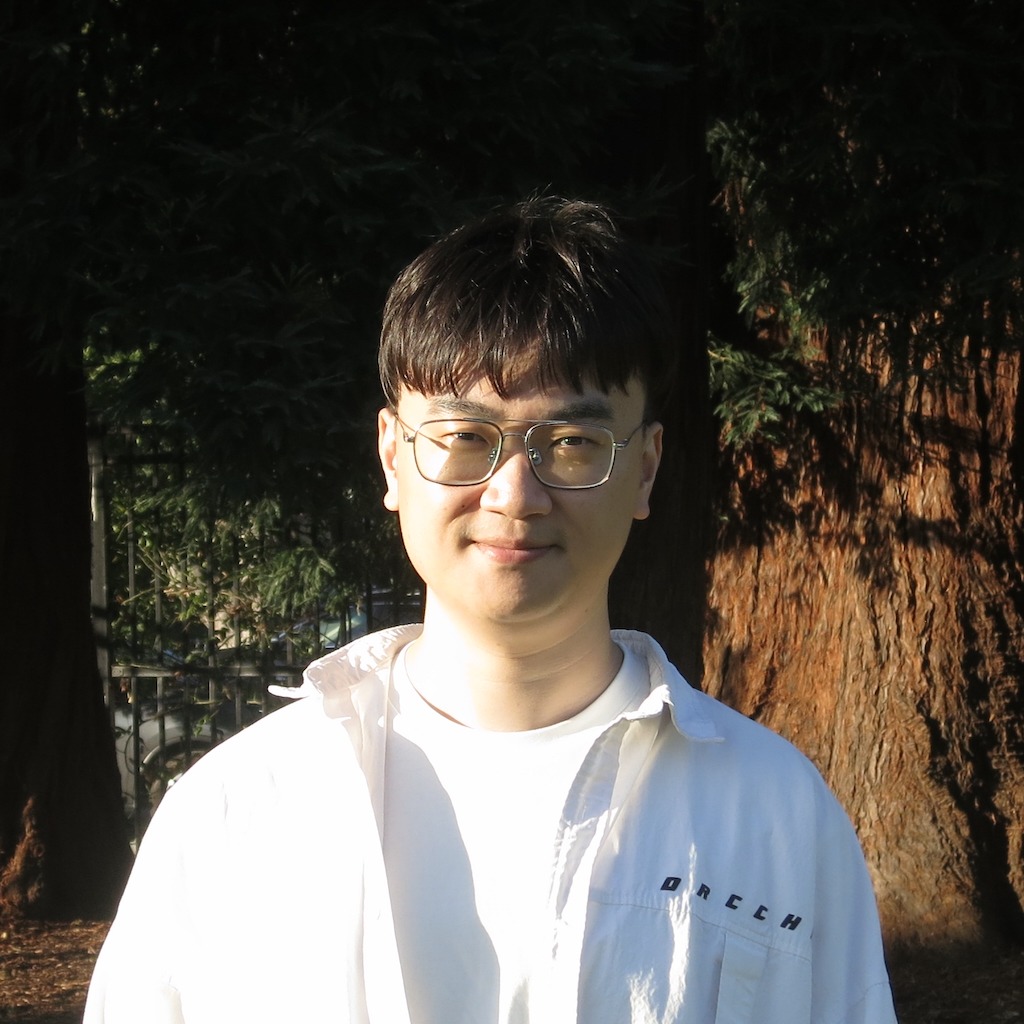
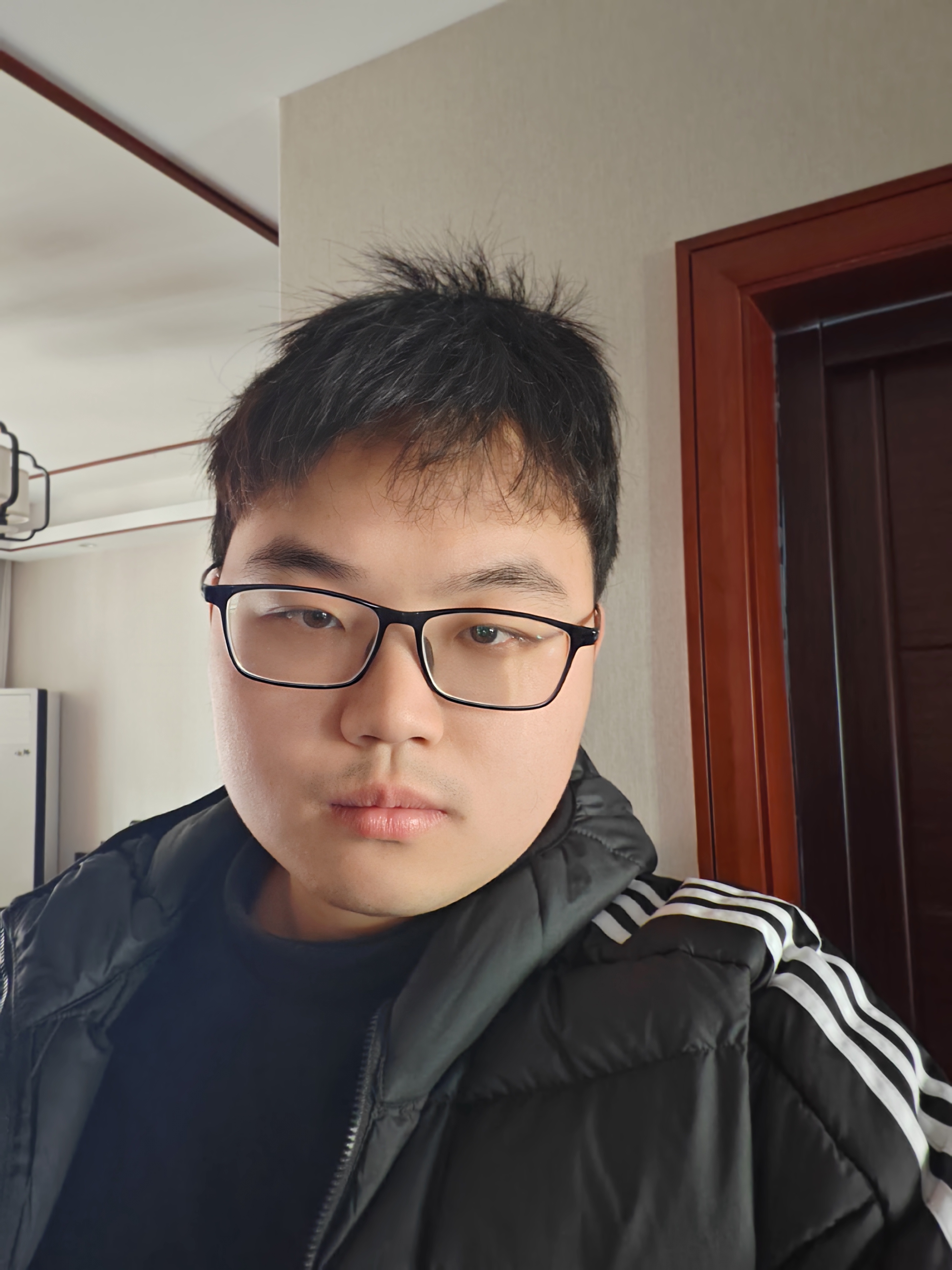
Wenlong Huang is a Ph.D. candidate in Computer Science at Stanford University, advised by Prof. Fei-Fei Li. His research lies at the intersection of robotic manipulation, foundation models, and 3D computer vision. He received his B.A. in Computer Science from UC Berkeley, where he was advised by Prof. Deepak Pathak, Dr. Igor Mordatch, and Prof. Pieter Abbeel. His research has been recognized with the Outstanding Paper Award in Robot Learning at ICRA 2023, Best Paper Award Finalist and Best Paper Award on Robot Perception Finalist at ICRA 2025, and multiple Best Paper Awards at conference workshops (LEAP at CoRL 2024, E2E3D at CVPR 2026, SRRA at ICRA 2026, World Models at ICLR 2026, and Lifelong Agents at ICLR 2026). He received the Stanford School of Engineering Fellowship and was selected as a finalist for the NVIDIA Graduate Fellowship and the Citadel GQS Fellowship.